









Sophie
Marketplace Land Germany: The Guide for Brands
Germany is one of Europe's most important e-commerce markets – and a country where marketplaces are constantly gaining importance. In 2025, they will account for 57 percent of online sales (Source: HDE German Retail Association). For brands, this is a real opportunity: marketplaces combine reach, trust, and purchase-ready demand. What you would otherwise have to push for months with a large media budget is often already available here – if you understand the platform logic and provide clean product data.
Why Marketplaces Are So Attractive for Brands
1. Buyer-ready target audiences instead of just attention
Many users don't just start their product search on Google, but directly on marketplaces or price comparison sites. The journey there is often close to a decision: filter, compare, order – without major detours.
2. Trust as a Conversion Booster
German buyers consistently check: price, delivery time, returns, reviews, product details. Marketplaces provide a familiar framework with standards that lower purchase barriers. Brands that reliably present product information, delivery, and service feel it in their conversion rates and repeat purchases.
3. Phased Scaling
Germany is not a one-channel market. You can scale step by step: start with a core assortment, stabilize setup and data, then expand the assortment or platforms. This keeps the effort manageable, the risk small – and you can directly use the experience from the launch for expansion.
The Platform Landscape: Which Marketplaces Are Worth It and What They Stand For
The German marketplace landscape is broad: from generalists with maximum reach to specialists who are truly strong in individual categories. Here are the most important reach platforms as a guide:
- Amazon.deReach and performance – works when Content Structure, Pricing Logic, and Availability are in place.
- OTTO Market: stark in Home & Living and selected assortments; clear requirements for data and presentation.
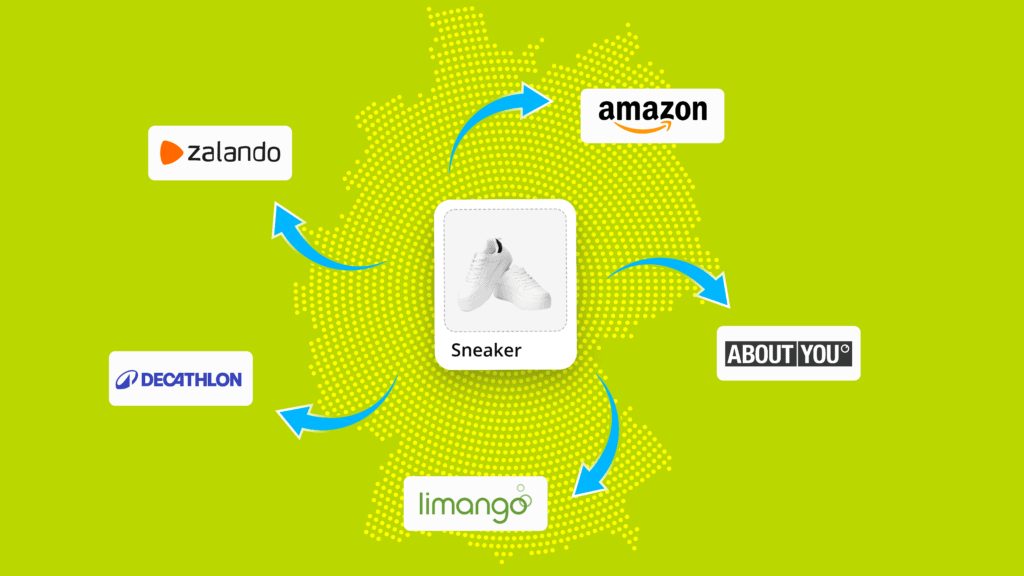
- Zalando / About You: Fashion platforms with high content standards and strong brand presentation.
- Kaufland Global Marketplace: Multi-category, experiencing dynamic growth, attractive for its product range.
- MediaMarkt/Saturn: Technology Focus; Specifications, Comparability, and Service are decisive.
Pro‑Tip: Depending on the category, it's also worth looking at specialized platforms for the German market – for example limango (Off-Price/Fashion), Avocadostore Sustainability, Decathlon (Sport) or zooplus in the pet segment. Less volume, but often very precise demand.
Visibility and Scalability: Why Product Data Is the Key
On marketplaces, the most creative claim rarely wins. Visibility is achieved through craftsmanship: structured titles and attributes, clean variants, and visually logical images – so that search, filters, and recommendations can correctly categorize your product. Added to this are the basics that immediately contribute to conversions in Germany: realistic delivery times, transparent returns, reliable service, and a price that fits the platform.
Pro‑Tip: Data‑Health‑Quick Check (for Brand Teams)
Before adding new marketplaces or expanding your product range, a quick check is worthwhile: Are your product data really marketplace-ready? Seemingly small things often slow you down, such as missing mandatory attributes, duplicate variants, inconsistent images, or dirty price or stock synchronization.
Go to Market: 6 Steps to a Scalable Marketplace Presence
1. Choosing the right platform
Carefully check which platform best suits your category, target audience, and respective quality standards.
2. Strategically Build the Product Line
Start by focusing on your strongest products instead of rolling out your entire product line right away. A clear focus makes testing, optimization, and scaling easier.
3. Structure product data to meet marketplace requirements
Successful listings are based on clean data. This includes complete attributes, clear variant logic, optimized images, and relevant keywords.
4. Automate Pricing and Inventory
Define rules for pricing and inventory so that you don't have to manually adjust them permanently and processes remain scalable. Often also a dynamic pricing meaningful.
5. Actively support the launch
After go-live, the real work begins: continuously monitor rejection rates, visibility, conversion, and return rates.
6. Continuously optimize
Successful marketplace presence is not a one-time setup. Regularly test titles and images, refine variation structures, and expand relevant attributes step by step.
Conclusion: Germany's marketplace rewards clarity and quality
Marketplaces bundle purchase-ready demand and trust in Germany – and measurably reward clean execution. Those who strategically select platforms, set up listings in a marketplace-appropriate manner, and take product data seriously as a lever create a foundation for sustainable growth: more visibility, better conversion, less friction.
We bring your brand to the right marketplaces
Do you want to grow on marketplaces in Germany (or internationally) but are unsure about platform selection? Or do you already have initial channels live and want to scale them professionally? Our experts will advise you personally – from marketplace strategy to implementation, including product data and feed setup.
Sophie
Content & Social Media Marketing Manager
Sophie writes about e-commerce, digital retail, and everything related to marketplaces. She tracks trends, analyzes developments, and breaks down even complex topics in an easy-to-understand way. As a trained editor, she brings a keen sense of language, storytelling, and target audiences—and applies these skills today in content and social media marketing at Channel Pilot Solutions. When she’s not brainstorming new content ideas, she loses herself in a good TV series or works up a sweat exercising.







 Deutsch
  English
  Español
  Français